
MENU
When it comes to sleep issues in children, most people think lack of independent sleep skills, the inability to properly self-soothe, sleep crutches or the wrong sleep environment. While all those things play an important role on the road to good sleep, your child’s diet is just as important.
Hormones such as melatonin and cortisol are often the ones referenced when talking about sleep. However, there are other elements obtained through diet, that play an important role. These include Serotonin, Omega-3 fatty acids, Iron and Zinc. Insufficient amounts of any of these elements can become a contributing factor to sleep disorders or an imbalance in the sleep-wake regulation.
This hormone helps carry and deliver messages throughout the nervous system, and plays an important role in many body functions such as mood regulation, digestion, nausea, bone health, sleep, among others. 90% of the body’s Serotonin is found in the gut, and only 10% is produced in the brain. I think it’s fair to say that digestive health plays a key role in sleep!
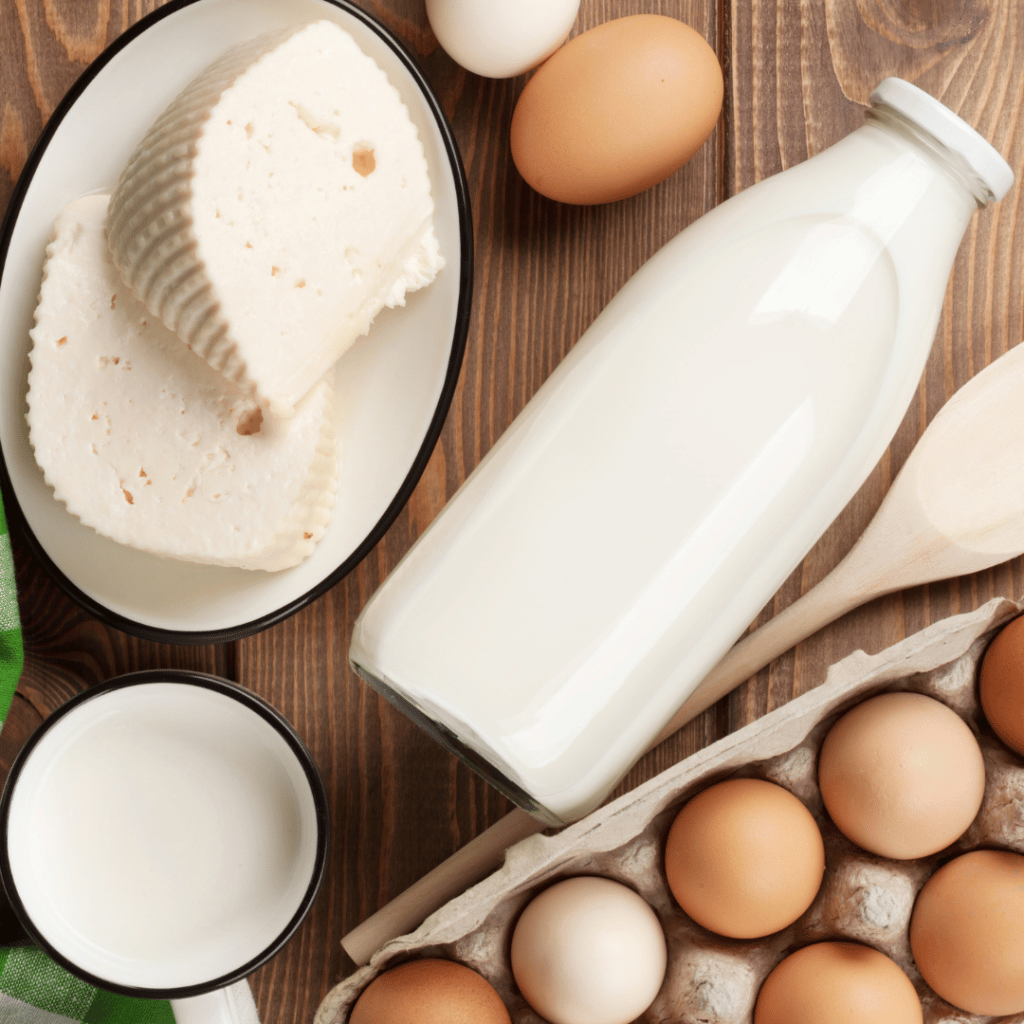
Serotonin is made from an essential amino acid called “tryptophan” that is only obtained through a person's diet. Foods like eggs, cheese, pineapple, tofu, salmon, nuts, seeds (pumpkin, sunflower, flax) and turkey, all contain high levels of tryptophan.
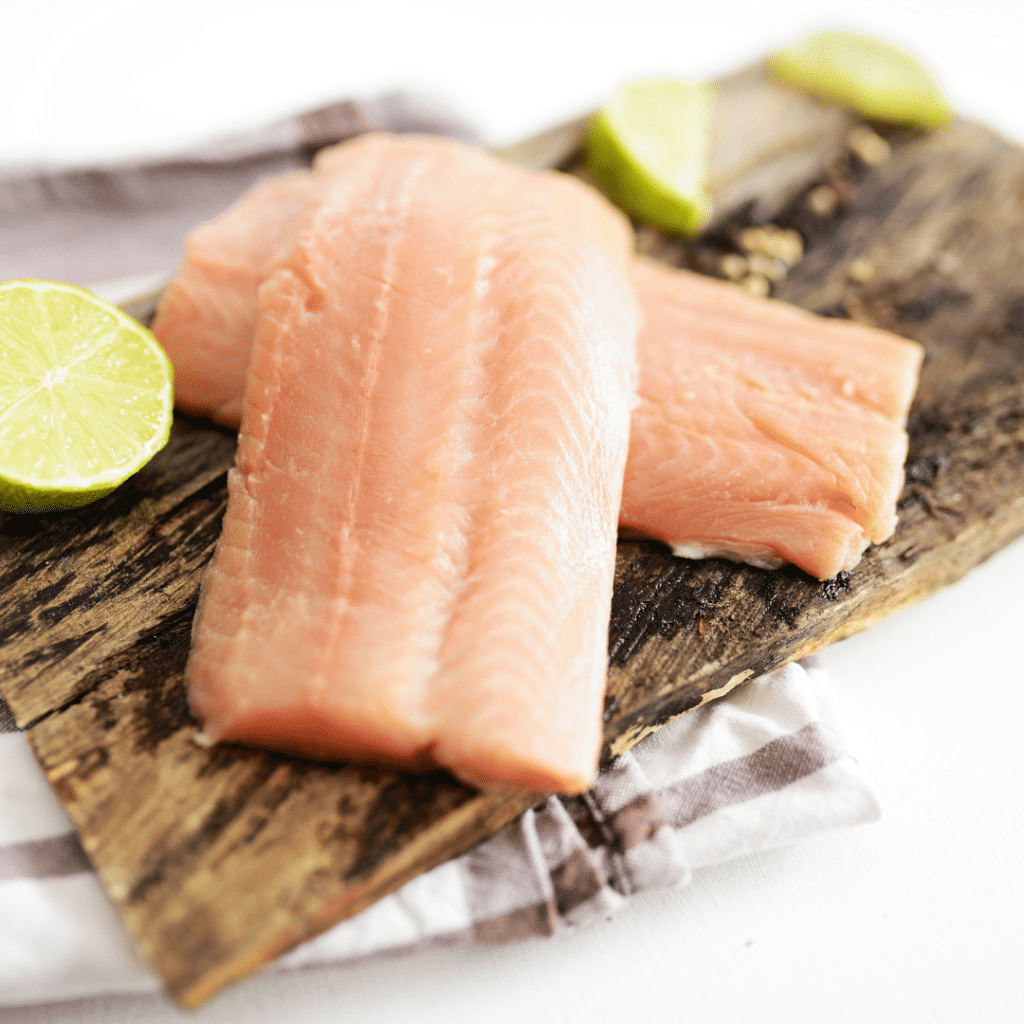
This healthy fat is found in oily fish ( mackerel, herring, tuna, salmon, and sardines). Other foods include chia seeds, walnuts, spinach and brussels sprouts.
Studies have shown that low levels of omega-3 are linked to significantly more sleep problems than children with normal levels. Children with proper levels of Omega-3 have been found to get more than an extra hour of sleep at night. There was also a link between lower bedtime resistance and fewer sleep disorders like night terrors, nightmares and night wakings.
An iron deficiency can lead to something known as a “Periodic Limb Movement Syndrome and Restless Leg Syndrome". This translates to a child who is extremely restless and moving about in their sleep. The constant movement does not allow for proper rest, and inadvertently becomes the source of significant sleep deprivation. Iron has also shown to impact some of the developmental processes in babies and children such as their sleep cycles. Foods that are rich in iron include: ground beef, eggs, peanut butter, spinach, broccoli, roast chicken, dried apricots and sesame seeds.
Exclusively breastfed babies 6 months and younger may need to supplement their iron until solid food is introduced. If a baby is both breast and formula fed, their iron supplement is obtained through iron-fortified formula ( in most cases).

Zinc is another important mineral that can affect children’s sleep. Studies have shown that proper levels of both Iron and Zinc can improve sleep in infants. The best way to make sure your child is getting enough Zinc, is increasing the amount they are ingesting through their diet. Foods rich in Zinc include lentils, beans, chickpeas, nuts, seeds, eggs and red meat.
Both healthy sleep habits and a healthy diet are an important part of a child’s overall health. When used together, they can be a powerful tool that will enable your child to become the best sleeper they can be!


Our Top Ten Essentials for a Newborn

Connect with us

Connect with us