
MENU
The immune system consists of multiple organs and cells, that each play a unique role. Their sole purpose is to keep the body safe from the germs that we encounter in our every day lives. Some of the most common immune cells spoken of are: red and white blood cells, as well as platelets. Other organs that participate are the spleen, lymph nodes, bone marrow, skin and mucous, tonsils, as well as the stomach and bowel.
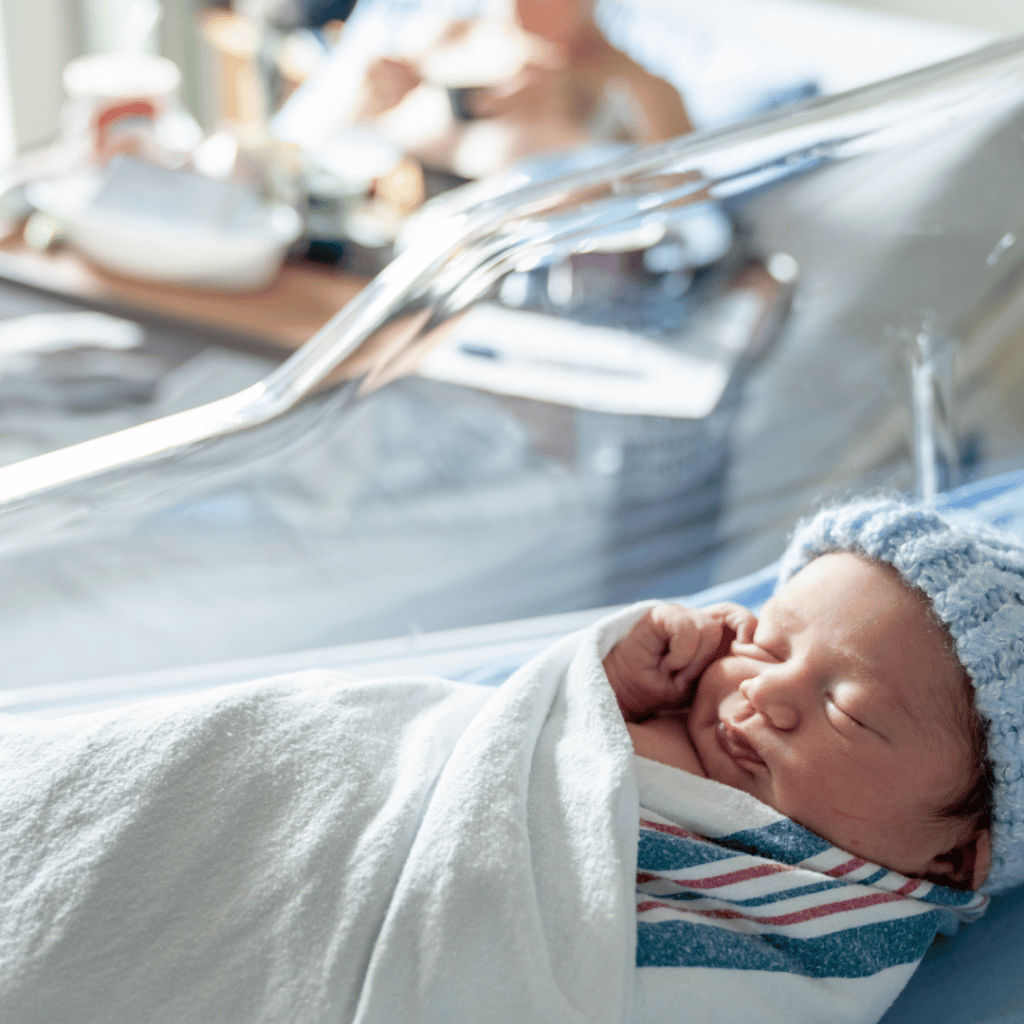
During pregnancy a baby receives a certain type of antibodies (IgG), that cross from mom to baby through the placenta. This passive immunity begins around 13 weeks of gestation and continues until birth. The majority of these antibodies are passed throughout the third trimester, providing a baby with passive immunity at birth.
If a baby is breastfed or receives donor milk, that will provide them with a different set of antibodies ( IgA). The first milk produced immediately after birth, called Colostrum, contains extremely large quantities of immune cells called macrophages. The IgA antibodies are directly associated with mucosal surfaces like the intestine. When breastmilk is digested, the antibodies create a type of coating, that offers protection against certain gastrointestinal viruses.
Although it will be a while before a baby has a fully developed immune system, some of it is already functioning at birth. The immune system consists of two parts – the innate and the adaptive.
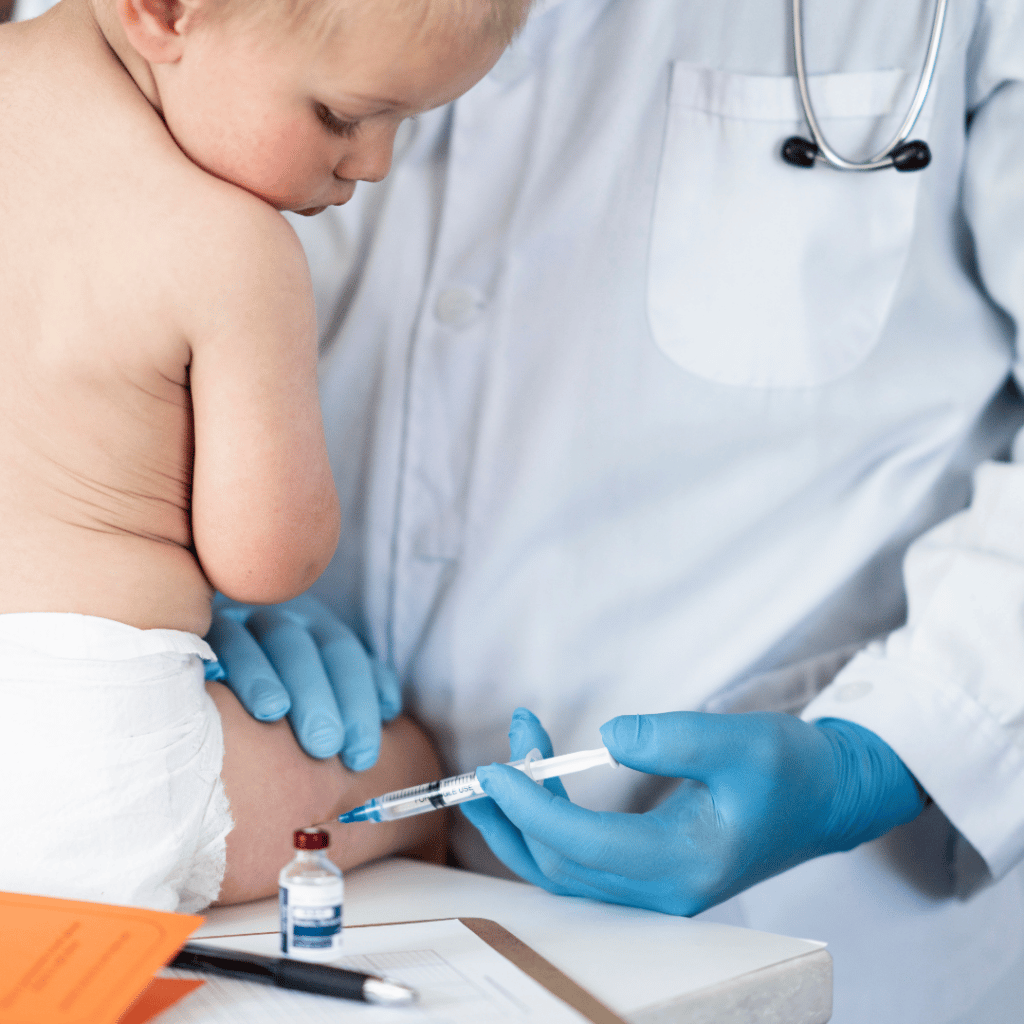
Vaccines play a big role in a baby’s adaptive immune system. With each vaccination and booster, the immune system becomes stronger, and the immune memory gets better.

After a baby is 6 months of age, the passive immunity given in the womb starts to fade. It won't be until they are 3 -4 years old, that their active immunity ( meaning their body is producing its own antibodies and giving a proper immune response), will start to kick in. That is why toddlers are highly susceptible to getting sick during the preschool years.
Although sickness can't be avoided altogether, things like washing hands, preparing bottles and food safely, watching what goes in their mouth, proper amounts of sleep at night, naps, healthy eating, excercise, and keeping surfaces clean and sanitized, are all good practices that will go a long way in keeping a child healthy and strong.


Our Top Ten Essentials for a Newborn

Connect with us

Connect with us